
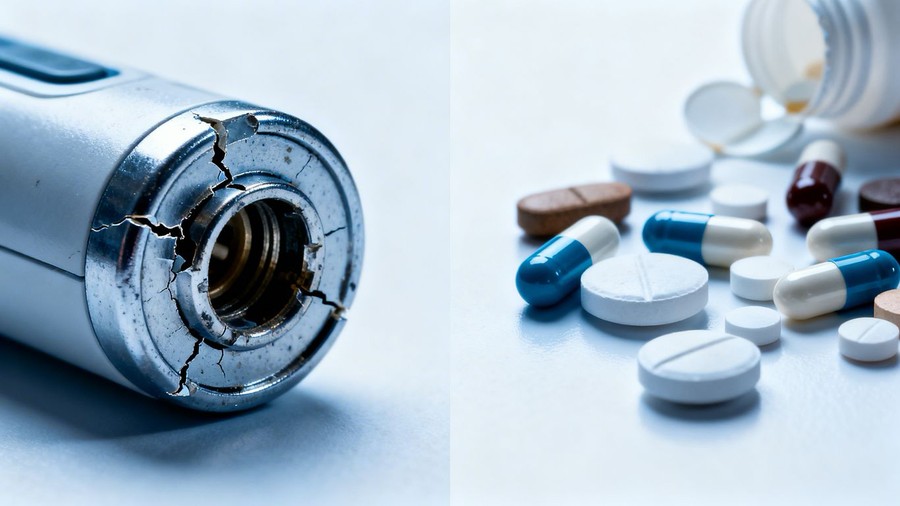

Medical mass torts can sound complicated, but when you break them down, they’re about groups of people who’ve suffered from a similar harm—often caused by a dangerous product, drug, or device—who come together to take legal action. Unlike class actions, a mass tort keeps each person’s case unique, which means everyone’s story and injuries are considered separately. Mass torts are often the only way average people can stand up to massive corporations after suffering similar injuries.
The Power of Collective Action
When one company’s actions hurt dozens, hundreds, or even thousands of people, a single case isn’t enough. This is where collective lawsuits come in:
- People combine their efforts without losing their individual stories.
- The group has greater bargaining power against powerful corporate defendants.
- Plaintiffs share resources, strategy, and the costs that come with high-stakes litigation.
- Judges and courts can handle large numbers of cases more efficiently.
For injured folks, banding together helps level what would otherwise be a very uneven playing field, especially since the defendant often has deep pockets and a fleet of lawyers.
Navigating Complex Litigation
Lawsuits like these are hardly straightforward. Each plaintiff still needs their own medical records, details, and proof. A few reasons mass torts can get complex:
- Medical evidence differs for every person, even if the injury type is similar.
- Timelines are slower than a typical lawsuit; these cases can stretch on for years.
- There’s often a web of science, regulations, and expert testimony involved.
Efficiency is important, but so is the need to honor each person’s unique circumstances. Resources and decisions get shared, but the outcome for each case might be different, which distinguishes a mass tort from class actions. More information about how individual claims work within mass torts can be found in this explanation of how mass tort lawsuits function.
Seeking Justice Against Corporations
Going up against a large corporation isn’t easy, especially if you’re on your own. Mass torts give victims a way to hold these organizations accountable. The process isn’t just about money—it’s about:
- Forcing companies to change dangerous practices
- Getting answers about what went wrong and why
- Pushing for recalls or stronger regulations to protect the public
These lawsuits help ensure those who caused widespread harm can’t sweep things under the rug. For many victims, the most important part is seeing real change and helping prevent similar injuries to others in the future.
Common Types of Mass Tort Litigation
Dangerous Pharmaceutical Drugs
When medications meant to heal cause unexpected and severe harm, it can lead to mass tort lawsuits. These cases often involve drugs that weren’t tested thoroughly enough, had their risks downplayed, or weren’t properly labeled with warnings about potential side effects. Pharmaceutical companies have a responsibility to ensure their products are safe, and when they fail, individuals can suffer serious health consequences.
Defective Medical Devices
Medical devices, from hip replacements to surgical mesh, are designed to improve health. However, flaws in their design or manufacturing can lead to significant injuries. These aren’t just minor inconveniences; we’re talking about conditions that can drastically alter a person’s life. Litigation in this area often centers on whether the device itself was faulty or if patients and doctors weren’t given enough information about the risks involved.
Harmful Consumer Products
It’s not just medications and medical implants. Everyday items, from children’s toys to household appliances, can also pose dangers if they have defects. If a product causes injury due to a flaw in how it was made or designed, or if the company didn’t warn consumers about a known danger, it can result in a mass tort claim. The goal is to hold manufacturers accountable for putting unsafe products into the market.
Toxic Exposure Claims
Exposure to harmful substances in the environment or workplace can lead to serious, long-term health problems. This can include things like asbestos, lead paint, or industrial chemicals. When a single source or action leads to widespread exposure and subsequent illness, such as cancer or respiratory diseases, it often becomes a mass tort case. These claims address the widespread harm caused by negligence related to hazardous materials.
Focus on Defective Medical Devices
Implantable Ports and Their Risks
Medical devices are supposed to help people, not hurt them. But sometimes, things go wrong. Implantable ports, often used for long-term medical treatments like chemotherapy, are one area where problems have surfaced. These devices are surgically placed under the skin, with a catheter running into a major vein. The idea is to make it easier to give medication or draw blood without repeatedly sticking needles into patients. Sounds good, right? Well, when these ports malfunction, the consequences can be serious.
Some of the main issues reported include:
- Catheter fracture: The thin tube can break apart inside the body.
- Migration: The device or parts of it can move from its original position.
- Infection: Bacteria can enter the device, leading to dangerous bloodstream infections.
- Thrombosis: Blood clots can form around the port or catheter.
These complications can lead to significant pain, additional medical procedures, and even life-threatening situations. It’s a big deal when something meant to help healing causes more harm.
The Bard PowerPort Lawsuit
One of the most talked-about cases in this area involves the Bard PowerPort. Lawsuits against Bard, and its parent company Becton Dickinson, claim that the PowerPort device was defectively designed and manufactured. The core of these lawsuits often centers on the catheter material. Allegations suggest that the polyurethane catheter could degrade over time, leading to pieces breaking off inside the patient’s body. This degradation is sometimes linked to the presence of barium sulfate, a substance used in the device. Plaintiffs argue that Bard knew about these risks but continued to market the PowerPort without adequate warnings. This failure to inform patients and doctors about the potential dangers is a major point of contention.
Understanding Device Fractures and Infections
When an implantable port fractures, it’s not just a minor inconvenience. Small pieces of the catheter can break off and travel through the bloodstream. This can cause blockages, damage to blood vessels, or even travel to vital organs. The risk of infection is also a major concern. Bacteria can colonize the device, especially if there are cracks or degradation in the material. Once an infection takes hold in a port, it can be very difficult to treat and can spread to the bloodstream, causing sepsis, a life-threatening condition. Many lawsuits focus on these specific types of injuries, arguing that the device’s design or manufacturing flaws directly led to these severe health problems for patients who trusted their medical providers and the devices used.
The Defective Port Lawsuit Landscape
Allegations of Design and Manufacturing Flaws
The lawsuits concerning implantable ports, particularly those involving the Bard PowerPort, often center on claims that the devices themselves were not made correctly from the start. This isn’t just about one bad unit; it’s about a pattern of issues stemming from how the product was designed or put together. These allegations suggest that the materials used or the way the port’s catheter was constructed made it prone to breaking down over time. This breakdown can lead to serious problems for patients who rely on these ports for medical treatments.
Failure to Warn Patients and Doctors
Beyond the physical flaws in the devices, a significant part of these lawsuits involves accusations that the manufacturers didn’t tell patients or their doctors the full story about the risks. It’s alleged that companies knew or should have known about the potential for these ports to cause harm, such as fracturing or leading to infections, but they didn’t provide adequate warnings. This lack of clear information meant that patients and healthcare providers couldn’t make fully informed decisions about using the device. This failure to warn is a key point in many legal claims, as it speaks to a breach of responsibility by the company.
The Role of Barium Sulfate in Catheter Degradation
One specific area of concern that has come up in litigation relates to the materials used in the port’s catheter. Some reports and lawsuits point to the presence of barium sulfate, a substance often included to make the catheter visible on X-rays. However, there are claims that this material, or the way it’s integrated, can contribute to the catheter’s degradation. When the catheter material breaks down, it can lead to pieces fracturing off inside the body, potentially causing blockages, infections, or other severe complications. Understanding the exact role of such materials is a complex part of piecing together what went wrong and why patients suffered harm from these devices. The Bard PowerPort lawsuit, for example, has brought these material concerns to the forefront of the litigation [bd7c].
Legal Avenues for Harmed Individuals
When someone is injured by a faulty medical device or dangerous drug, it can be pretty overwhelming. Figuring out where to start or what steps to take isn’t always clear. Fortunately, there are legal routes that let individuals hold large companies accountable for the harm they’ve suffered. These avenues offer ways to seek compensation and, hopefully, some closure.
Individual Claims Within Mass Torts
In mass tort cases, people harmed by the same product can join together while still keeping their cases separate. This means:
- Each person explains exactly how the injury affected their life—medical bills, missed work, pain, and everything else.
- The court can hear common threads from everyone, like how the product was supposed to work and what went wrong.
- While the group moves through the legal process together, settlements or awards are based on individual harm, not just a one-size-fits-all solution.
This setup is good for people whose injuries are unique—maybe one person faced an infection and another broke a bone. You get to tell your full story, even while being part of a bigger effort.
The Importance of Experienced Legal Counsel
Honestly, mass torts can get messy in a hurry. There are stacks of paperwork, court deadlines, negotiations with seasoned lawyers from big companies. That’s why working with an experienced attorney can make a huge difference. A knowledgeable lawyer can:
- Explain your rights, so nothing gets missed
- Gather the right medical records and proof
- Lay out a plan so you know what’s next step by step
Lawyers who’ve handled these cases before can spot tricks from defense teams and push back against low offers or unfair treatment. It’s not just knowing the law—it’s knowing how these court battles play out.
Pursuing Compensation for Losses
At the end of the day, the law gives injured people a way to ask for compensation for things like:
- Hospital bills, surgeries, and ongoing care
- Lost wages or even job loss from being too sick to work
- Pain and stress caused by an injury or bad drug reaction
Going through this type of lawsuit isn’t quick or easy. But, for many folks, it’s a real shot at setting things right and covering what’s been lost. And while money can’t undo what’s happened, it can make the road ahead a bit less uncertain.
Navigating MDL Proceedings
When a large number of similar lawsuits are filed across the country, they can be brought together into what’s called a Multidistrict Litigation, or MDL. Think of it as a way to organize a big pile of similar cases so they can be handled more efficiently. Instead of having many different judges in different places making separate decisions, all the cases in an MDL are assigned to one judge. This judge then oversees all the pretrial steps, like gathering evidence and hearing arguments. It’s a way to make sure things move along more smoothly and consistently for everyone involved.
Consolidating Cases for Efficiency
One of the main reasons for creating an MDL is to streamline the legal process. When you have hundreds or even thousands of people suing over the same type of product defect, like a faulty medical device, it makes sense to handle them together. This consolidation prevents different courts from issuing conflicting rulings and avoids duplicating the work of lawyers and judges. It means:
- Discovery is coordinated: All parties share evidence and take depositions in a structured way.
- Pretrial motions are handled centrally: Motions to dismiss cases or exclude evidence are decided by one judge.
- Consistency in rulings: The same judge applies the same legal standards to all cases.
This approach is particularly helpful in complex cases involving many plaintiffs and large corporations, as it can speed up the process and potentially lead to fairer outcomes.
Key Rulings and Discovery in MDLs
Within an MDL, there are specific stages that all cases must go through before they can move toward resolution. A significant part of this is discovery, where lawyers for both sides gather information. This includes requesting documents, sending written questions (interrogatories), and taking sworn testimony (depositions) from witnesses and experts. In MDLs, this process is often managed on a larger scale, with groups of cases sharing discovery efforts. The judge overseeing the MDL makes important decisions during this phase, such as ruling on what evidence is admissible or whether certain claims can proceed. These rulings can set precedents that affect many other cases within the MDL.
The Path Towards Trial and Settlement
Not every case in an MDL will go to a full trial. Often, a few selected cases, known as bellwether trials, are chosen to go first. These trials act as test runs. The outcomes of these bellwether cases can provide valuable insights into how a jury might view similar claims and can help parties assess the strengths and weaknesses of their positions. Based on the results of these early trials, or even before they begin, the parties may decide to negotiate a settlement. A global settlement means that a large number of cases are resolved at once, often based on the outcomes or anticipated outcomes of the bellwether trials. This can be a more efficient way to resolve the entire MDL, providing compensation to many injured individuals without the need for each individual case to go through a separate trial.